What Causes Sewer Backups and How to Prevent Them
A home is one of the most significant investments you will ever make, and maintaining its infrastructure is essential for long-term comfort and safety. Among the various systems that keep a household running, the sewer line is often the most neglected until a problem arises. Dealing with a backup is not just a nuisance; it is a health hazard and a financial burden that can disrupt your entire life. Understanding the mechanics of your drainage system and knowing when to call local sewer cleaners can help you avoid the stress of a flooded basement or ruined flooring.
Sewer systems are designed to move waste away from your property efficiently, but they are subject to various external and internal pressures. Whether it is aging pipes or improper disposal habits, several factors can lead to a total system failure. By staying informed about the common causes of these issues, you can take proactive steps to protect your property. This guide will explore the primary culprits behind drainage failures and provide actionable advice on how to keep your pipes flowing freely throughout the year.
Recognizing the Danger of Tree Root Intrusion
One of the most frequent causes of residential drainage issues is the natural growth of tree roots. Roots are naturally drawn to the moisture and nutrients found inside sewer lines. Even the smallest crack or loose joint in an older pipe can allow a tiny root hair to enter. Once inside, the root grows rapidly, fueled by the water flowing through the pipe. Over time, these roots create a dense web that catches grease, toilet paper, and other debris, eventually leading to a complete blockage that requires the expertise of local sewer cleaners to resolve.
Traditional methods of clearing roots often involve mechanical augers, but advanced technology now allows for more thorough solutions. If you live in an older neighborhood with mature landscaping, your risk for root-related backups is significantly higher. Professional inspections can identify these intrusions before they cause a total collapse of the pipe. Regular maintenance is the only way to ensure that your subterranean landscape does not end up destroying your plumbing infrastructure and causing thousands of dollars in avoidable damage.
Identifying Common Clogs from Household Waste
While some issues come from outside, many backups are the direct result of what goes down the drain inside the home. Many homeowners mistakenly treat their toilets and sinks like trash cans, disposing of items that simply do not break down in water. Items like "flushable" wipes, feminine hygiene products, and paper towels are notorious for snagging on pipe walls and creating massive clogs. When these materials accumulate, they restrict water flow and increase pressure within the system, leading to a nasty overflow in the lowest drains of your house.
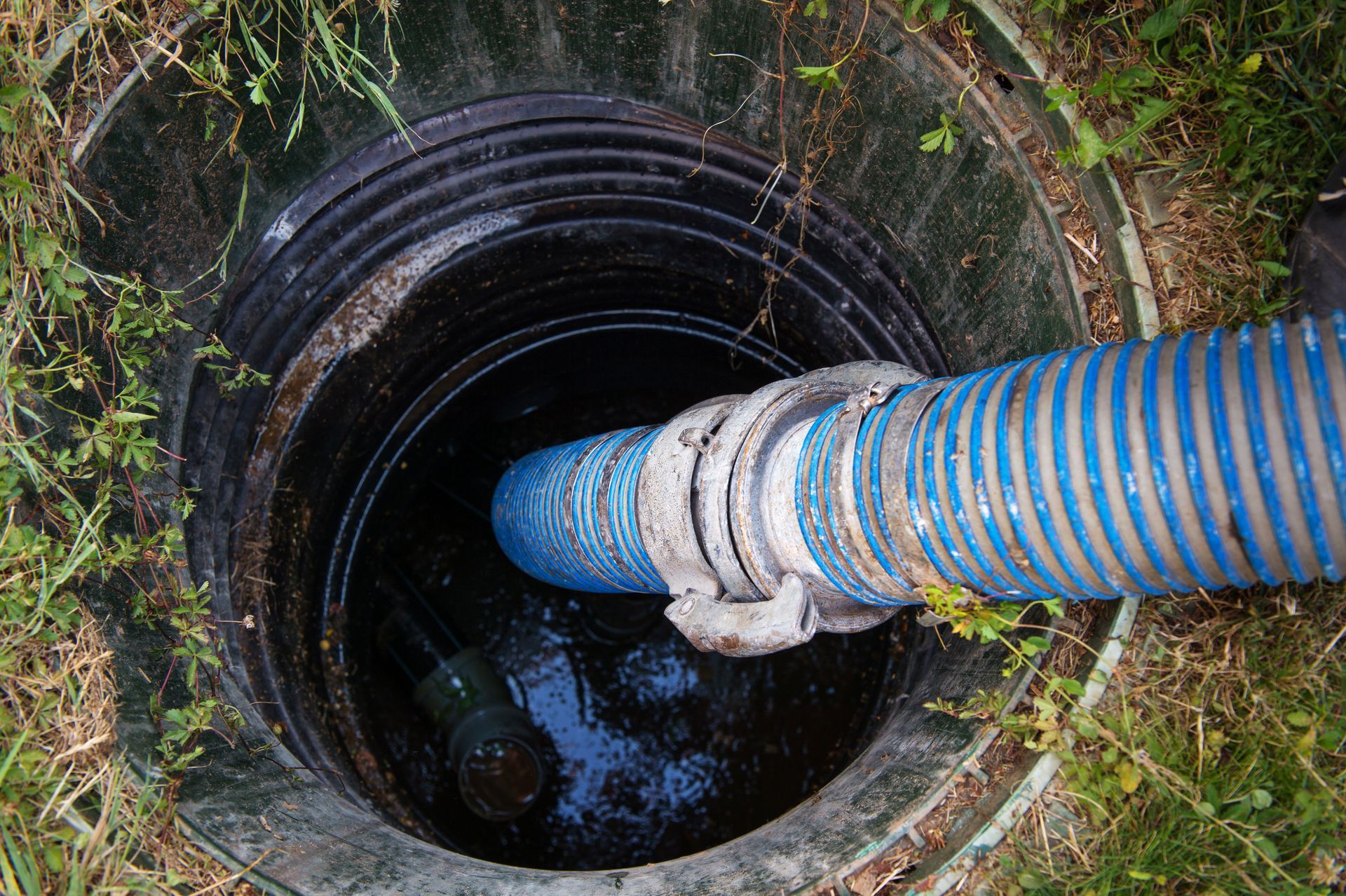
Grease is another major offender in the kitchen. When warm fats and oils are poured down the sink, they eventually cool and solidify, coating the interior of the pipes like plaque in an artery. This sticky residue then traps other food particles, narrowing the passage until it is completely sealed off. If you notice your sinks are draining slower than usual, it is a sign that a clog is forming. Engaging local sewer cleaners to perform a professional hydro-jetting can clear these stubborn deposits and restore your pipes to their original capacity.
Understanding the Impact of Aging Infrastructure
The material of your sewer pipes plays a massive role in how likely you are to experience a backup. Many older homes were built with clay or cast-iron pipes, which are susceptible to corrosion and shifting over time. As these materials age, they can become brittle, leading to cracks or complete "bellies" where the pipe sags into the earth. When a pipe loses its proper slope, gravity can no longer move waste effectively, causing solid matter to settle and eventually block the line entirely. This is a common scenario that requires specialized local sewer cleaners to diagnose and repair.
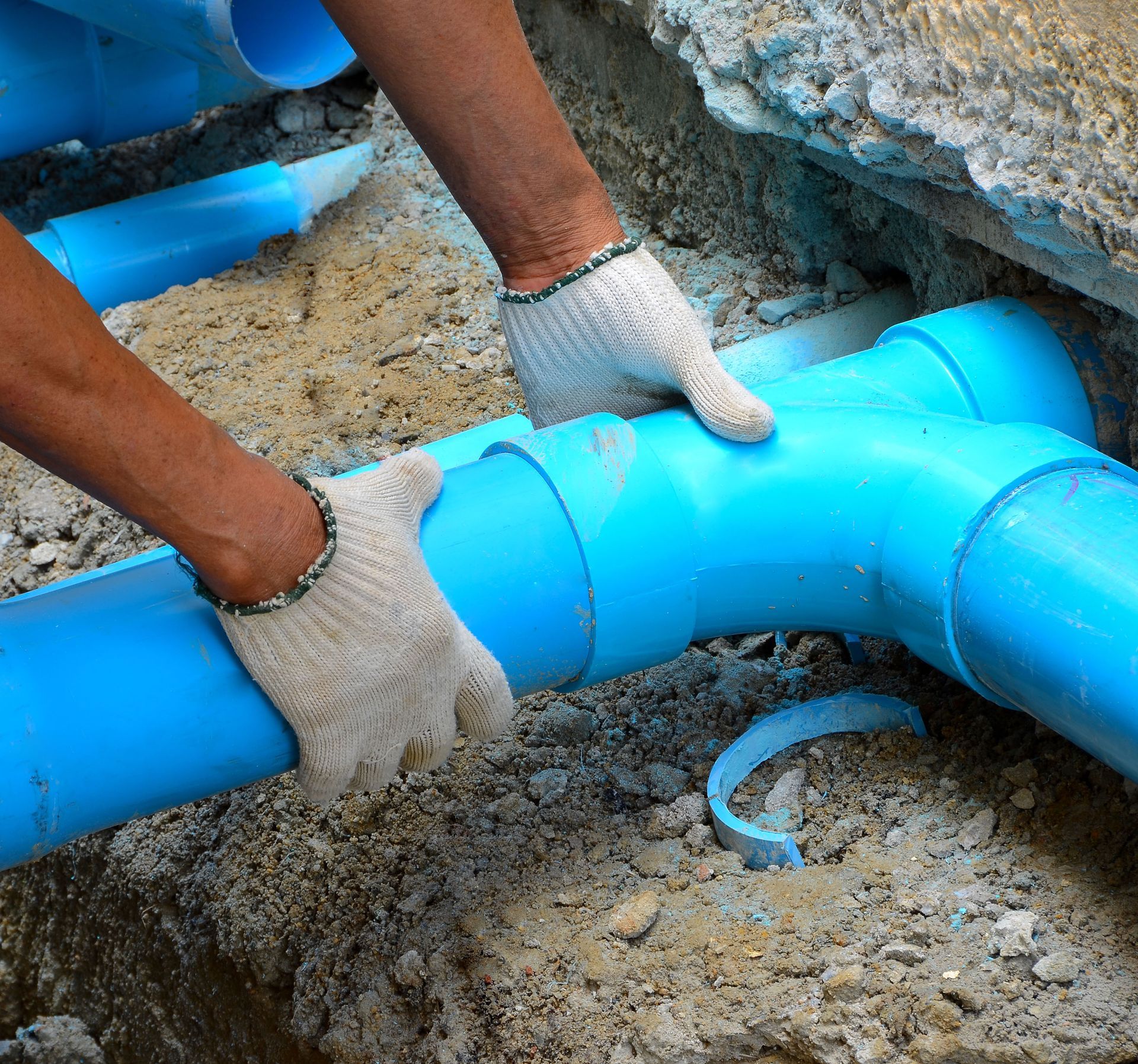
According to the Insurance Information Institute, the number of backed-up sewers is increasing at an alarming rate of about 3 percent annually. This statistic highlights the growing strain on both private and municipal systems as infrastructure across the country continues to age. Replacing outdated sections of your line before they fail is a smart way to modernize your home and prevent the catastrophic mess of a sewage backup. Modern PVC piping is much more resistant to these issues, but even plastic lines can be damaged by soil settling or seismic activity.
Monitoring for Signs of Main Line Failure
Being an observant homeowner can save you from a major plumbing disaster. Sewer backups rarely happen without some sort of warning sign. If you notice that multiple fixtures are gurgling or draining slowly at the same time, the problem is likely in the main line rather than a single sink or toilet. You might also hear strange bubbling sounds coming from your toilet when you run the bathroom sink. These are clear indicators that air is being trapped in the system by a growing blockage, and you should seek out local sewer cleaners immediately to investigate the cause.
Unpleasant odors are another red flag that should never be ignored. If the scent of raw sewage is lingering in your basement or around your yard, there is a high probability that a leak or backup is already in progress. In some cases, you might notice patches of unusually lush, green grass in your yard, which suggests that a sewer pipe is leaking nutrient-rich water into the soil. Catching these signs early allows for minor repairs or cleanings, preventing the situation from escalating into a full-scale emergency that could contaminate your living space.
Implementing Effective Prevention Strategies
Prevention is always more cost-effective than restoration. One of the best ways to protect your home is to install a backwater prevention valve. This device allows sewage to flow out of your home but prevents it from flowing back in during a heavy rainstorm or a municipal system failure. Additionally, being mindful of what enters your drains is a zero-cost way to extend the life of your plumbing. Use drain strainers to catch hair and food scraps, and never dispose of chemicals or heavy oils in your household sinks.
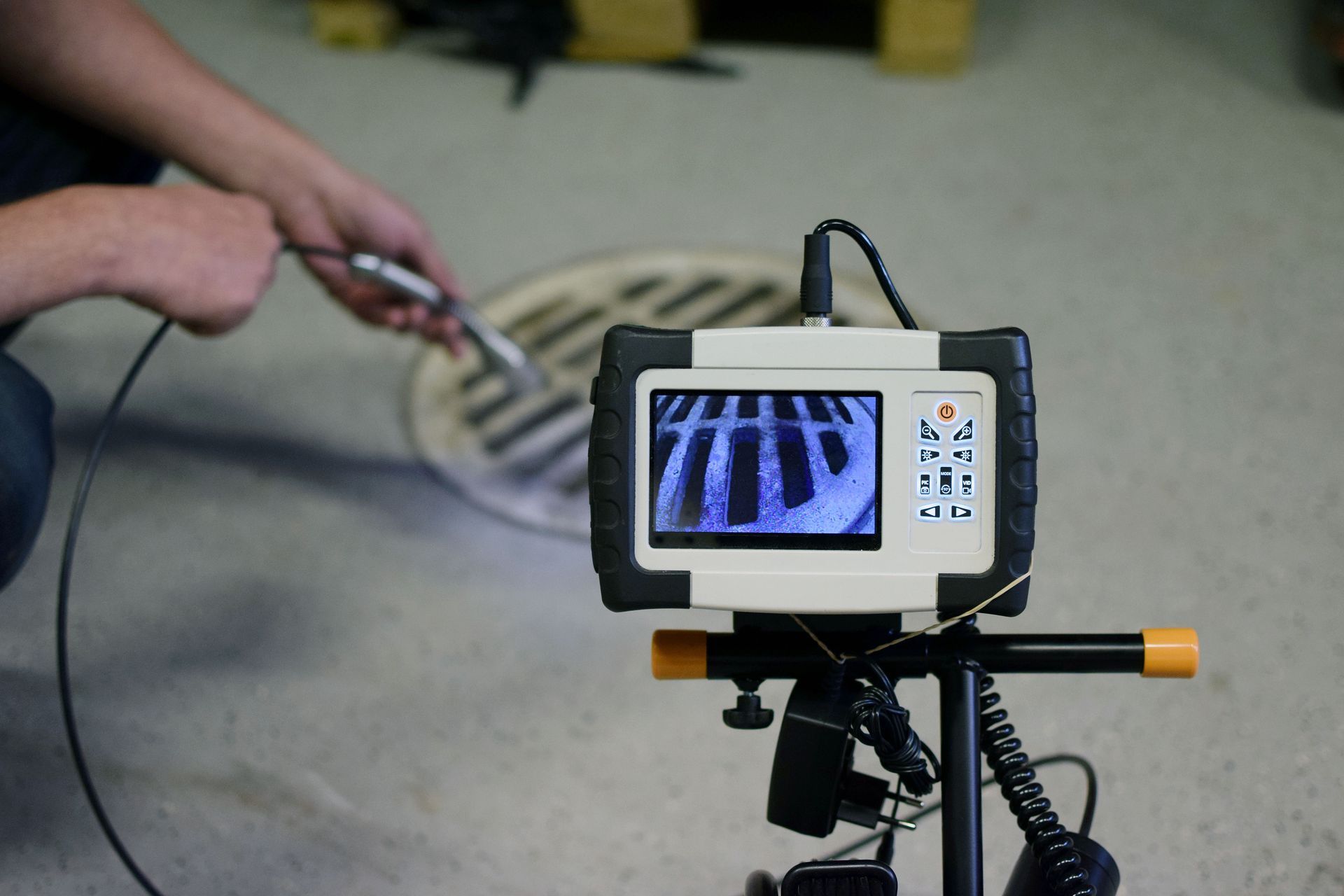
Scheduling a routine video inspection with local sewer cleaners can provide a "health check" for your underground pipes. A small camera is fed through the line, allowing professionals to see exactly what is happening inside without any digging. This technology can spot tiny cracks, minor root intrusions, or the early stages of a grease clog. By addressing these small issues annually, you can ensure that your sewer system remains reliable, protecting your home’s value and your family's health from the dangers of wastewater exposure.
Protecting your home from the devastation of a sewer backup requires a combination of good habits and professional oversight. By understanding the common causes of blockages and staying vigilant for the early warning signs of failure, you can keep your property dry and safe. Remember that a small investment in maintenance today can prevent a massive repair bill tomorrow. When you need the help of experienced local sewer cleaners to inspect or clear your lines, trust the experts who understand the local infrastructure. Contact GMC Plumbing Inc today to learn more about our comprehensive sewer maintenance services and how we can help you prevent a plumbing emergency.



Share On: