Sewer Cleaning: How It Works and Why It's Important
Sewer cleaning is essential for maintaining healthy and functional plumbing in homes and businesses. Regular maintenance prevents blockages, reduces the risk of damage, and ensures smooth operation of sewer lines. Professional inspection and cleaning help property owners avoid costly repairs and maintain proper drainage. Beyond immediate benefits, keeping sewer lines in good condition also contributes to the overall comfort and convenience of a property, making daily routines more predictable and stress-free. Over time, even minor attention to sewer maintenance can accumulate significant benefits, helping properties run smoothly and minimizing the likelihood of sudden disruptions.
Explain the Function of Residential and Commercial Sewer Lines
Residential and commercial sewer lines are designed to safely transport wastewater away from buildings. Over time, these pipes can develop blockages, leaks, or other issues that disrupt normal flow. Maintaining clear sewer lines is critical for preventing backups, unpleasant odors, and potential property damage. Regular monitoring and awareness of how sewer systems operate can help property owners anticipate potential problems and address minor issues before they become larger concerns. Additionally, understanding the general layout and function of these sewer lines can make it easier to notice early warning signs of trouble, allowing timely action and more effective management of the system.
Identify Common Sewer Problems
Examine Typical Blockages and Clogs
Blockages and clogs are among the most common sewer problems. They often occur due to the buildup of debris, roots, or improper disposal of non-biodegradable materials such as wipes or plastics. These blockages can slow or completely stop the flow of wastewater, leading to backups and potential pipe damage. Even seemingly minor slow-draining fixtures can be an early sign of blockage, making regular inspection and proactive sewer cleaning an important part of managing plumbing systems. Understanding how and where clogs tend to form can help property owners anticipate potential problem areas and take steps to minimize risk.
Analyze the Effects of Root Infiltration
Tree roots naturally seek water and can penetrate small leaks in sewer pipes. As roots grow, they can constrict the pipe, causing blockages and structural damage. Regular inspections and professional sewer cleaning help identify and address root infiltration before it leads to costly repairs. Maintaining awareness of surrounding landscaping and vegetation can also help prevent long-term issues, as roots are often drawn to areas where water may escape from small cracks or joints in pipes. Paying attention to plants or trees planted near sewer lines can be a helpful preventative measure, even in properties without frequent sewer problems.
Manage Fat, Oil, and Grease Accumulation
Fat, oil, and grease (FOG) that are poured down drains can solidify and adhere to pipe walls, forming significant blockages over time. This accumulation restricts wastewater flow and increases the risk of sewer backups. Routine sewer cleaning, including hydro jetting, can effectively remove FOG buildup and keep sewer lines flowing smoothly. Being mindful of proper disposal methods for kitchen waste and understanding how daily habits affect sewer lines supports long-term functionality and reduces the need for frequent intervention.
Gradual accumulation of grease can be difficult to detect until it causes noticeable slowdowns or backups. Regular attention, along with professional cleaning methods, helps prevent this buildup from becoming a serious issue, ensuring that sewer lines remain functional and efficient for everyday use. According to HomeGuide, hydro jetting takes between two and three hours to complete, making it an efficient option for thoroughly cleaning pipes.
Describe the Methods of Sewer Cleaning
Implement Mechanical Cleaning Techniques
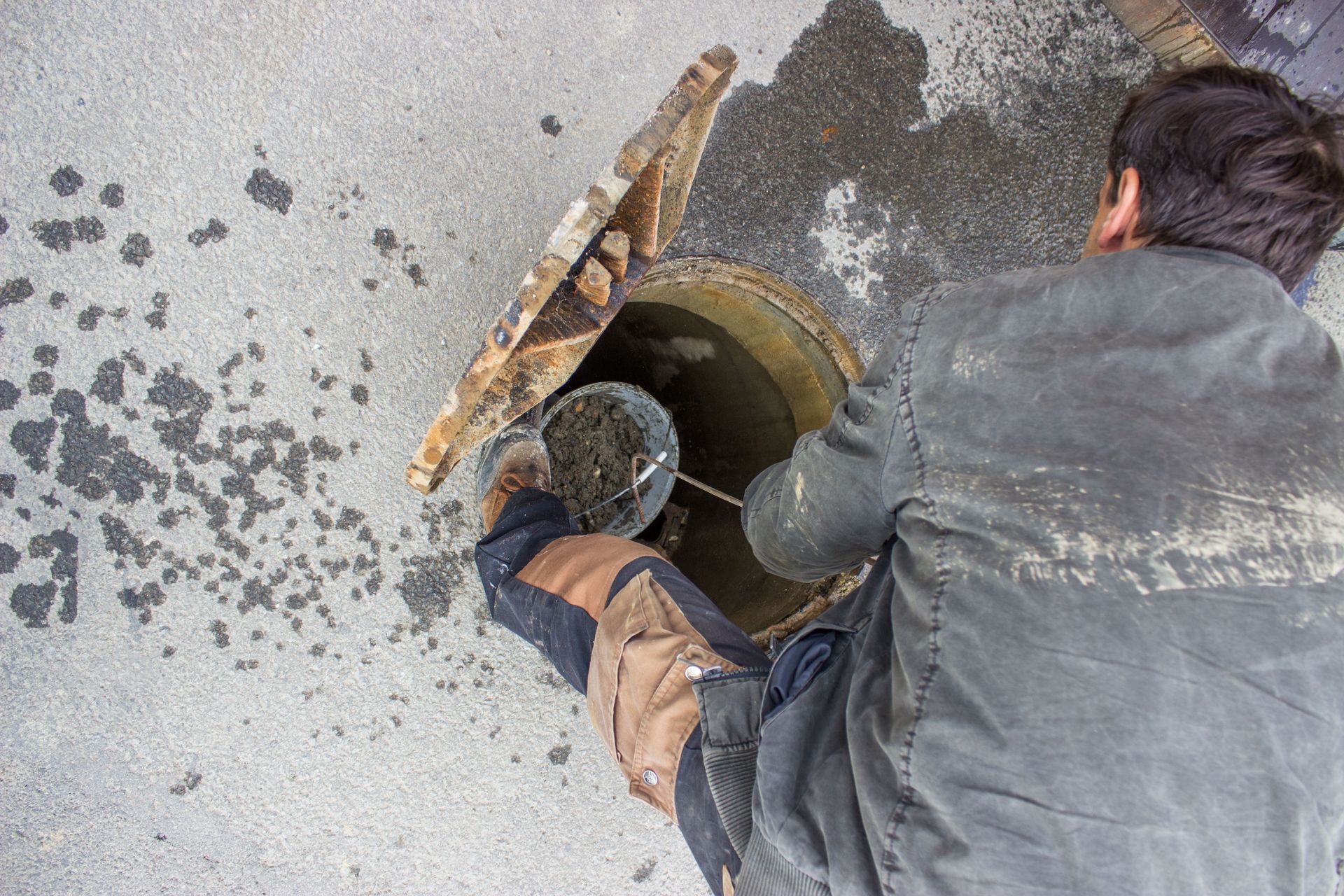
Mechanical cleaning involves using physical tools such as augers to remove debris and clogs from sewer lines. This method is effective for solid obstructions and is often used alongside other cleaning techniques to ensure comprehensive maintenance. Mechanical approaches are versatile and can address a range of common blockages, helping to keep plumbing systems operating consistently and preventing minor issues from escalating.
Apply Hydraulic Cleaning with Water Jets
Hydraulic cleaning, also known as hydro jetting, uses high-pressure water jets to flush out grease, sediment, and other accumulated waste. This method is highly effective for keeping pipes clear and preventing future blockages. Professional handling ensures the process is safe and thorough. In addition, hydro jetting can provide a more uniform cleaning along the length of the pipe, helping to remove buildup that may not be reachable with traditional mechanical methods. Regular hydraulic cleaning maintains smooth pipe surfaces and improves the overall efficiency of wastewater flow in both residential and commercial systems.
Conduct Detailed CCTV Inspections
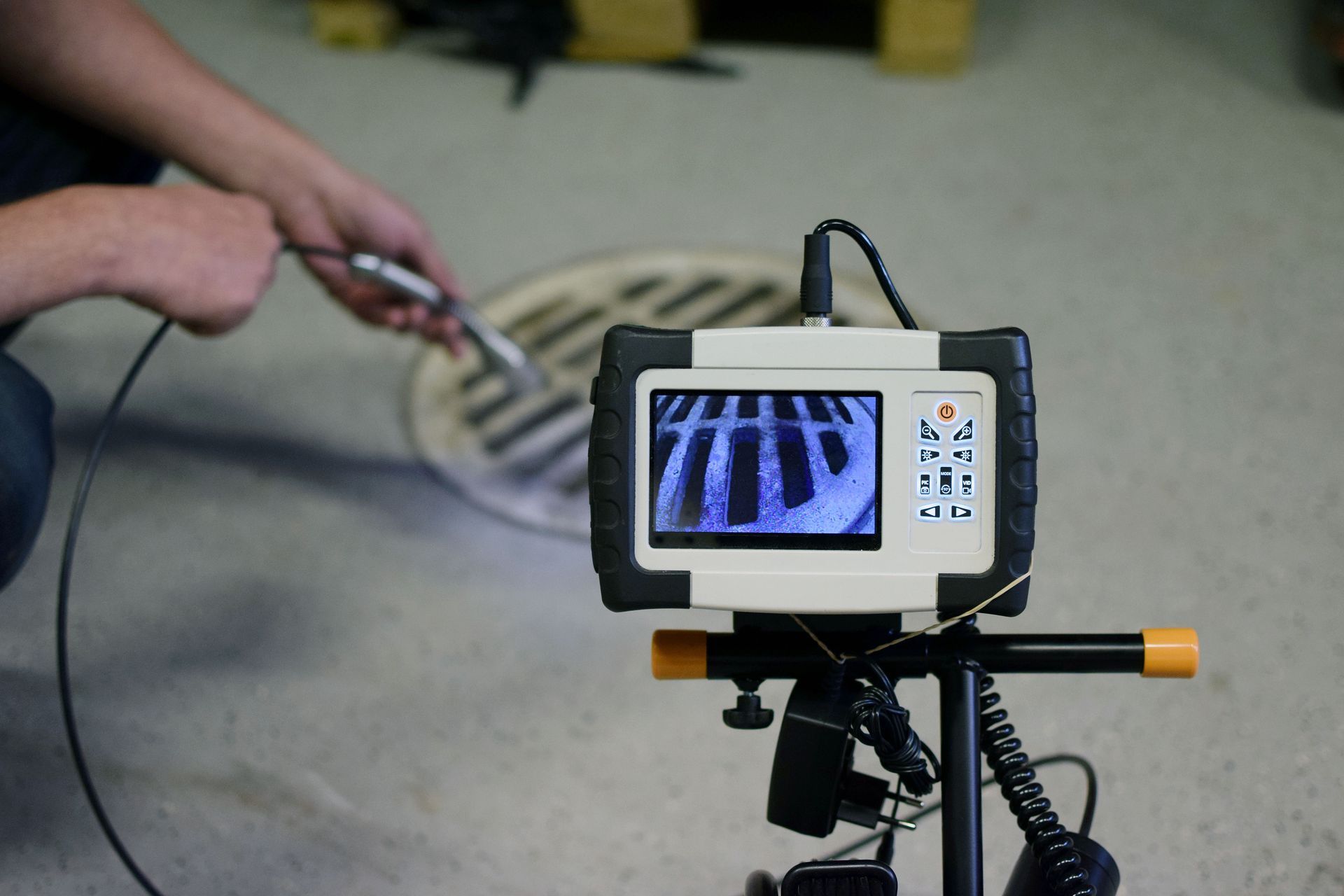
Video camera inspections allow plumbers to accurately identify the location and nature of sewer line issues. This advanced diagnostic method helps ensure targeted repairs, reducing unnecessary excavation and preventing future problems. These inspections provide clear visual information about the condition of pipes, helping property owners understand the current state of their plumbing system and make informed decisions about maintenance or repairs. Ongoing CCTV inspections also allow for tracking gradual changes in pipe conditions, which aids in long-term planning and proactive sewer cleaning efforts.
Highlight the Importance of Regular Sewer Maintenance
Prevent Backups and Health Hazards
Regular sewer maintenance reduces the risk of backups that can cause property damage and health hazards. Keeping sewer lines clean ensures that wastewater is safely transported away from buildings, protecting occupants and the surrounding environment. Ongoing maintenance also promotes peace of mind, knowing that potential disruptions are being managed proactively and that plumbing systems are functioning as expected. Even minor preventive measures help avoid disruptions that affect daily activities and support a more stable environment for both residential and commercial properties.
Maintain Efficient Flow
Consistent cleaning and inspections help maintain the efficient flow of wastewater through sewer lines. Proper maintenance prevents clogs, preserves pipe integrity, and ensures dependable plumbing operation in both residential and commercial settings. Maintaining clear flow also helps support other household systems, preventing minor issues from cascading into more noticeable problems with sinks, toilets, and other fixtures. Efficient flow contributes to overall system performance and reduces strain on connected plumbing fixtures, improving the daily use of water throughout the property.
Reduce Costly Emergency Repairs
Early detection of sewer problems allows for timely intervention, preventing expensive emergency repairs. Routine maintenance, including sewer cleaning and inspections, is a cost-effective way to manage sewer lines and avoid major disruptions. Knowing that sewer lines are being regularly monitored reduces stress and inconvenience associated with unexpected plumbing issues, creating a smoother daily experience for property occupants. Regular attention also allows property owners to schedule maintenance at convenient times, making sewer management more predictable and manageable.
Extend the Lifespan of Sewer Lines
Proactive maintenance helps extend the life of sewer lines by addressing issues like blockages, root intrusion, and FOG buildup before they cause long-term damage. Regular cleaning and inspections preserve the functionality and durability of plumbing systems. Additionally, consistent care can reduce wear on other connected plumbing components, support the performance of fixtures, and help ensure that routine household or commercial activities are not interrupted by sewer-related issues. Maintaining sewer lines over time also helps property owners avoid larger, more invasive repairs in the future. By keeping pipes clean and addressing minor issues promptly, the overall condition of the plumbing system can remain stable, contributing to the smooth operation and longevity of the property's water management infrastructure.
Effective sewer cleaning and maintenance play a key role in keeping residential and commercial plumbing systems running smoothly. Regular inspections, professional cleaning, and timely repairs help prevent disruptions and protect the overall health of your sewer lines. Property owners can support long-term efficiency by staying proactive with maintenance. To learn more about sewer line cleaning and repair services, homeowners and business owners in Los Angeles and the San Fernando Valley can turn to GMC Plumbing Inc.
Share On: